THE NEW ALCHEMISTIMAGE ARCHIVE
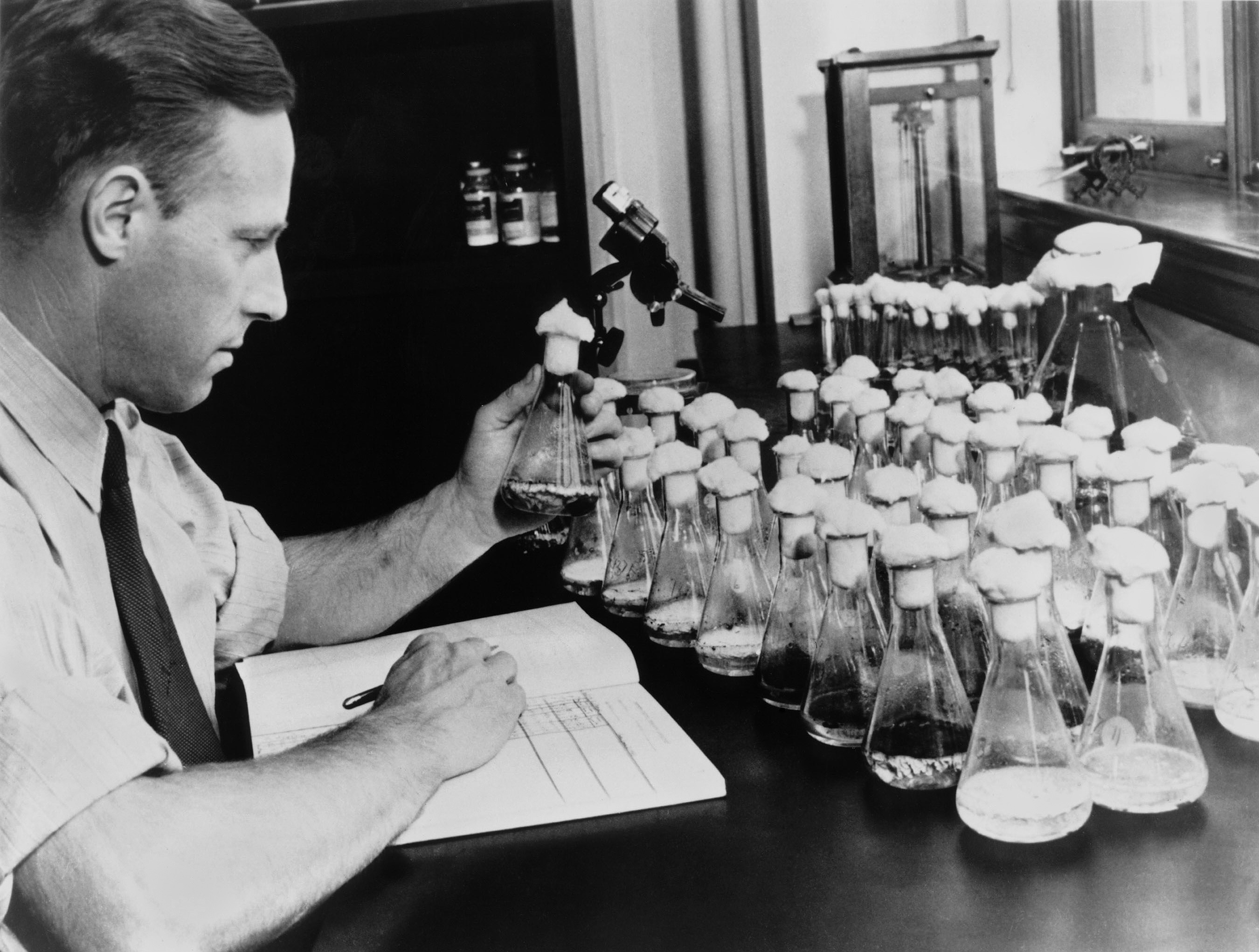
Andrew J. Moyer in his Peoria laboratory
USDA-ARS, via Wikimedia Commons. Public domain.
The archive
The photographs and documents used in our page headings, with their original collection records.
These credits cover the new page photographs. Book artwork, the host portrait, company marks and images inside the original essays retain their existing credits. Crops and restrained colour treatments are applied for display.
USDA-ARS, via Wikimedia Commons. Public domain.
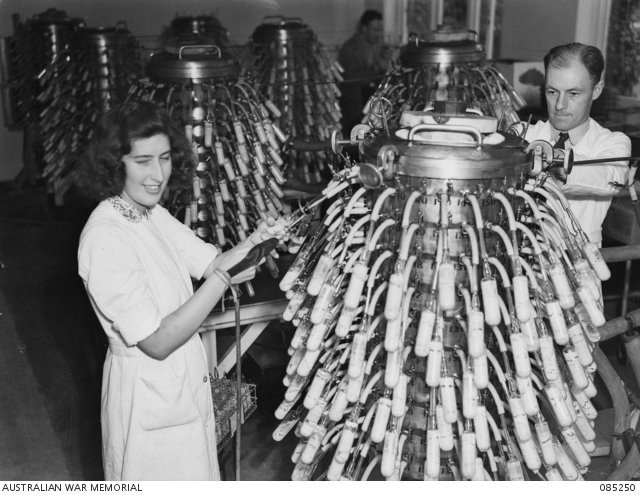
Australian War Memorial, 085250. Public domain.
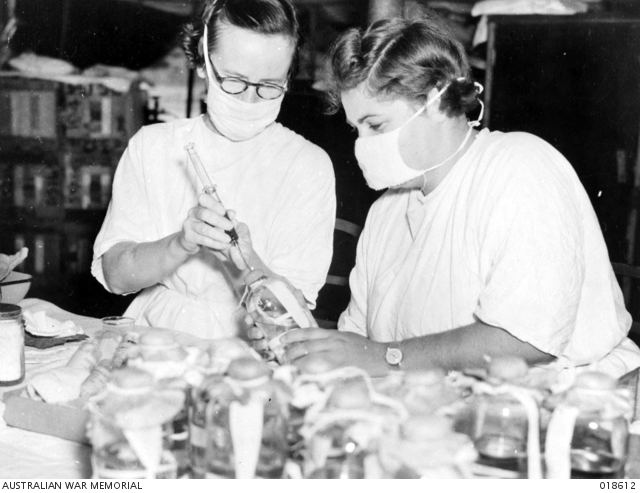
Australian War Memorial, 018612. Public domain.
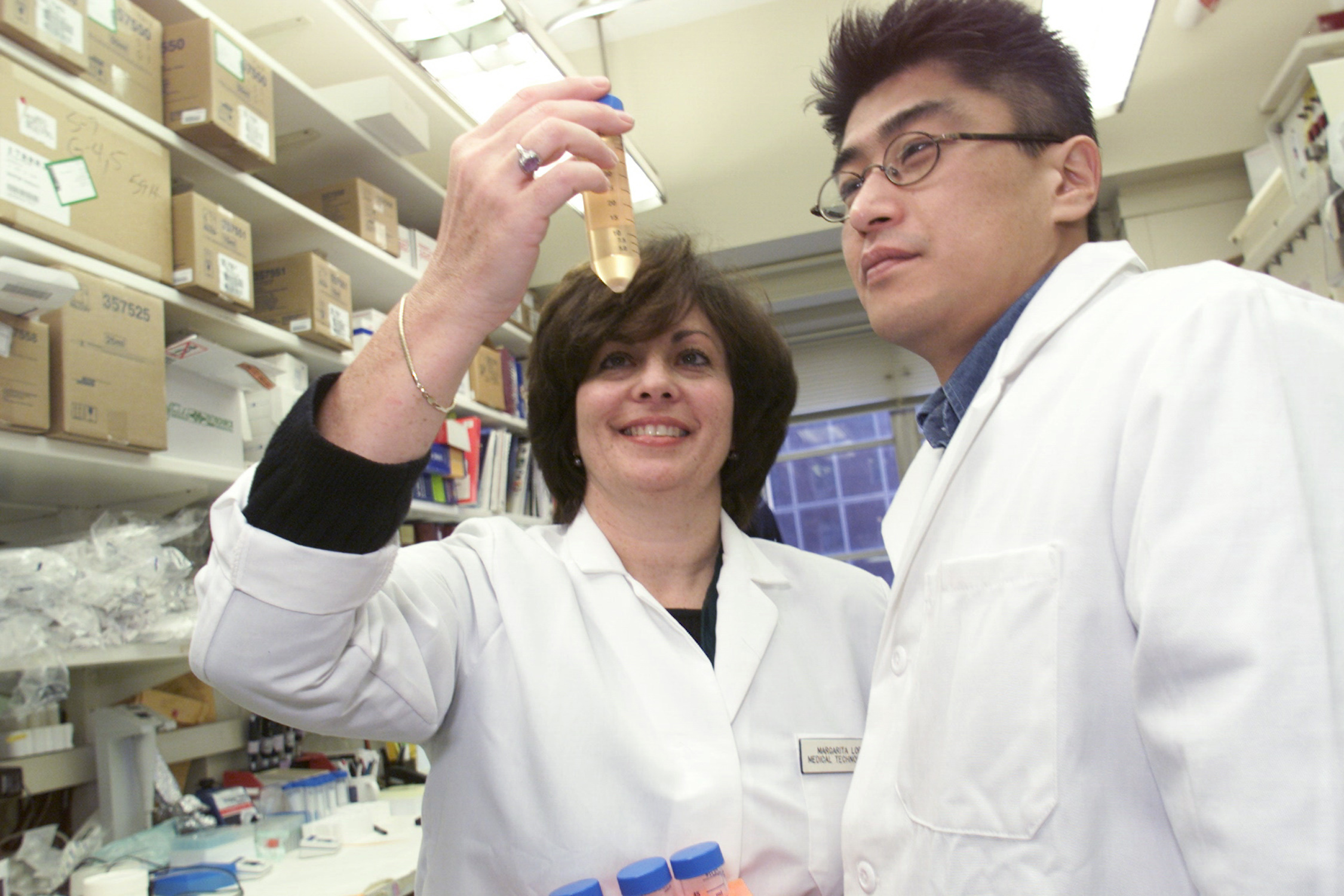
Bill Branson / National Cancer Institute. Public domain.
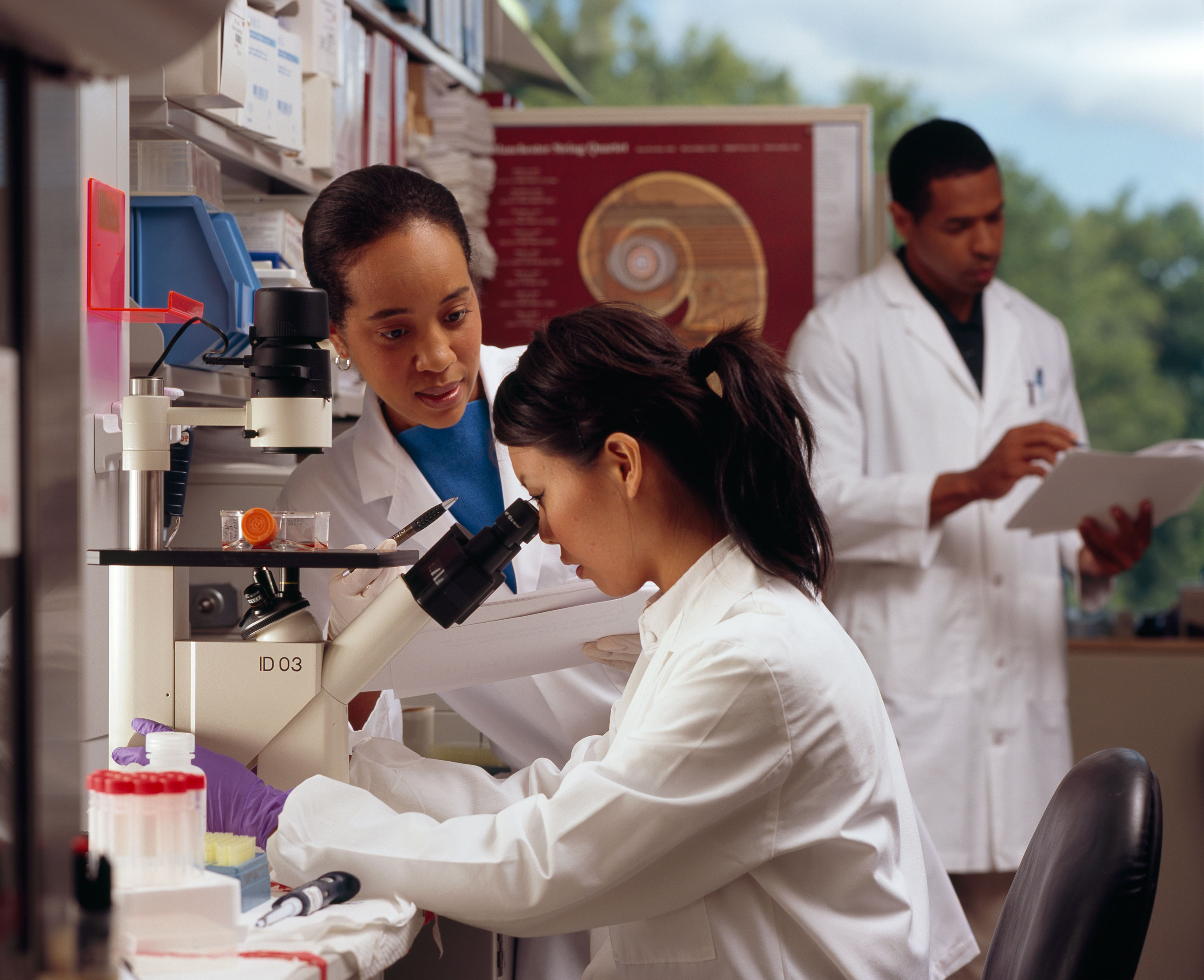
Rhoda Baer / National Cancer Institute. Public domain.
Public domain — author release and NIH/NCI; source states reuse restrictions none
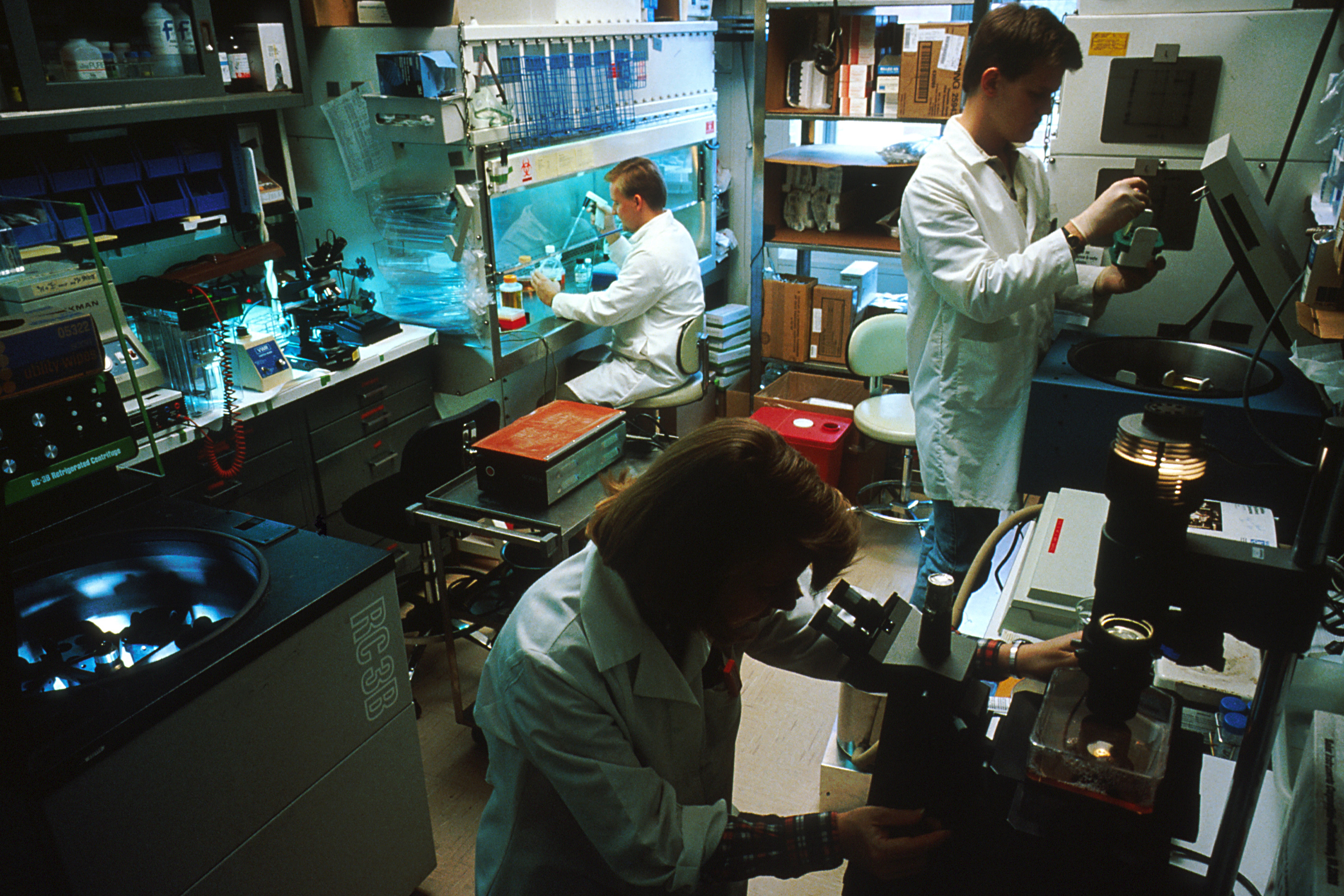
Bill Branson / National Cancer Institute. Public domain.
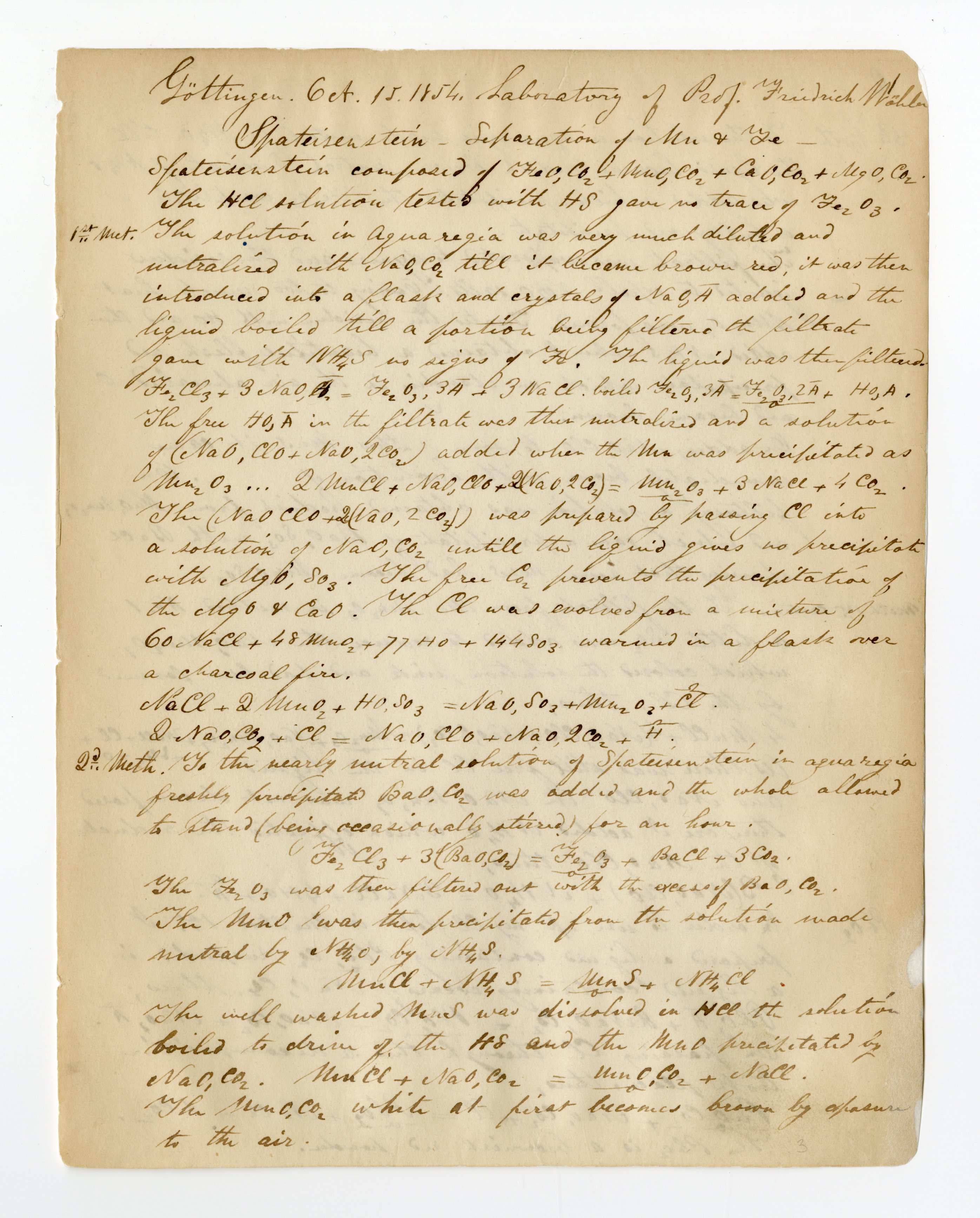
Charles Frederick Chandler. Courtesy of Science History Institute. Public domain.
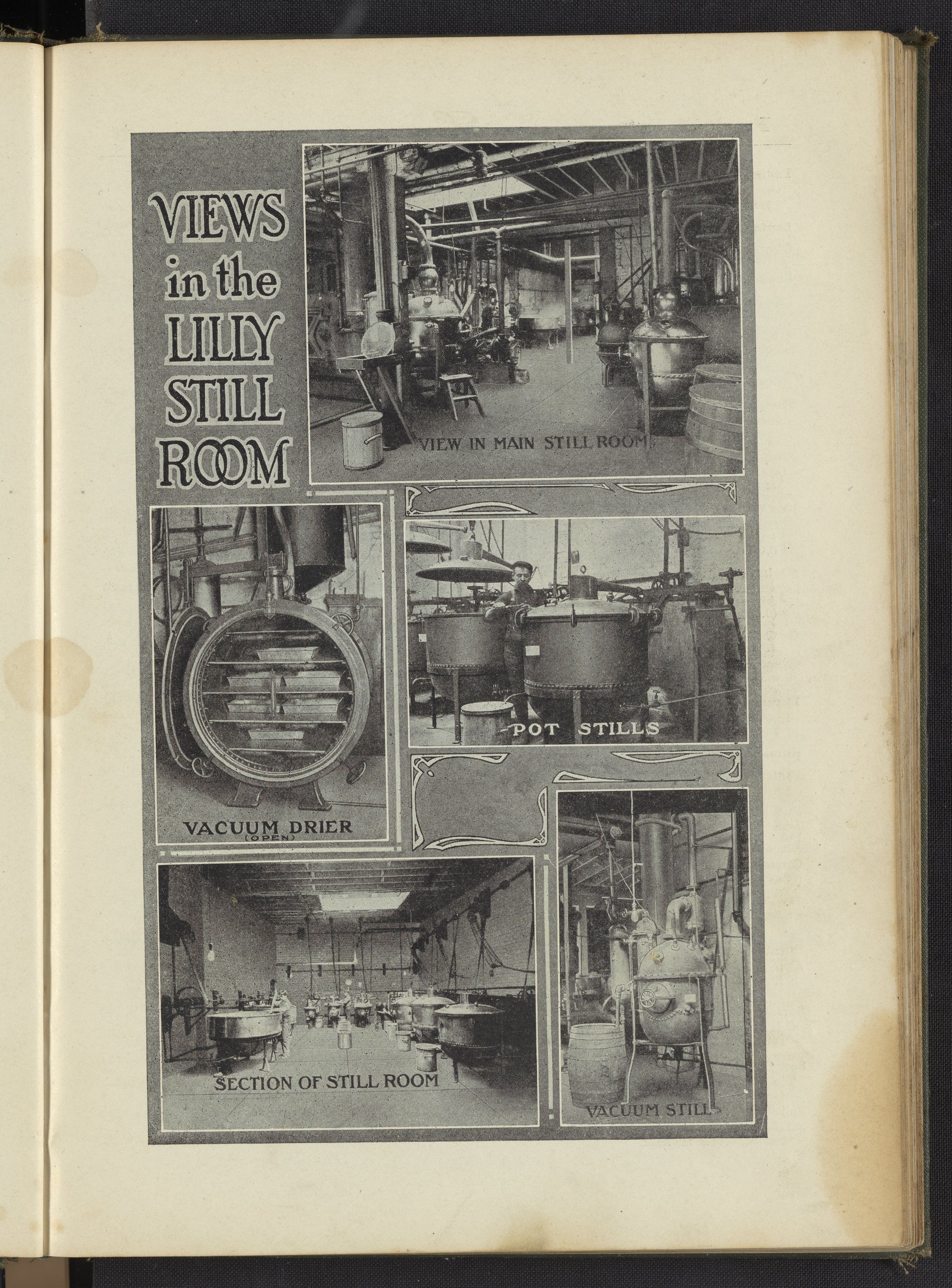
Eli Lilly and Company. Courtesy of Science History Institute. Public domain.
The history pages use photographs, engravings and documents from the collections below. Contemporary essay covers combine archival source material and typography. These collages are conceptual artwork; their source records appear below.
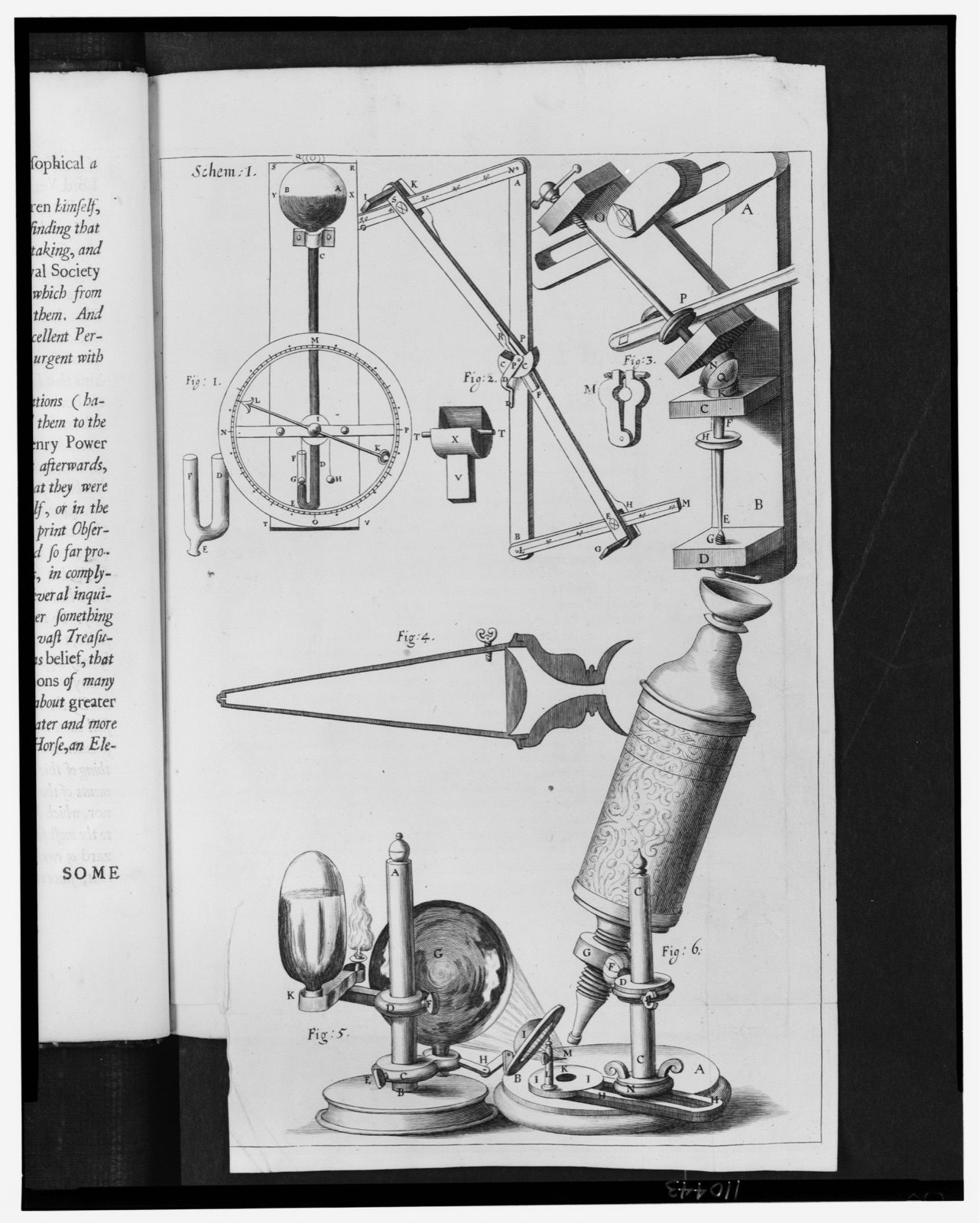
Microscope and optical apparatus illustrated in Robert Hooke's Micrographia, published in London in 1665.
Robert Hooke, Micrographia (1665). Library of Congress, Prints and Photographs Division, cph.3c10443.
Source image · Public domain; Public Domain Mark 1.0
Resized and JPEG-compressed for the web. Some layouts crop or layer this historical engraving with typography.
These editorial collages combine archival images, photography and typography. Cropping, monochrome treatments and paper layers are part of the composition. Scientific imagery is illustrative and does not represent results from the research discussed.
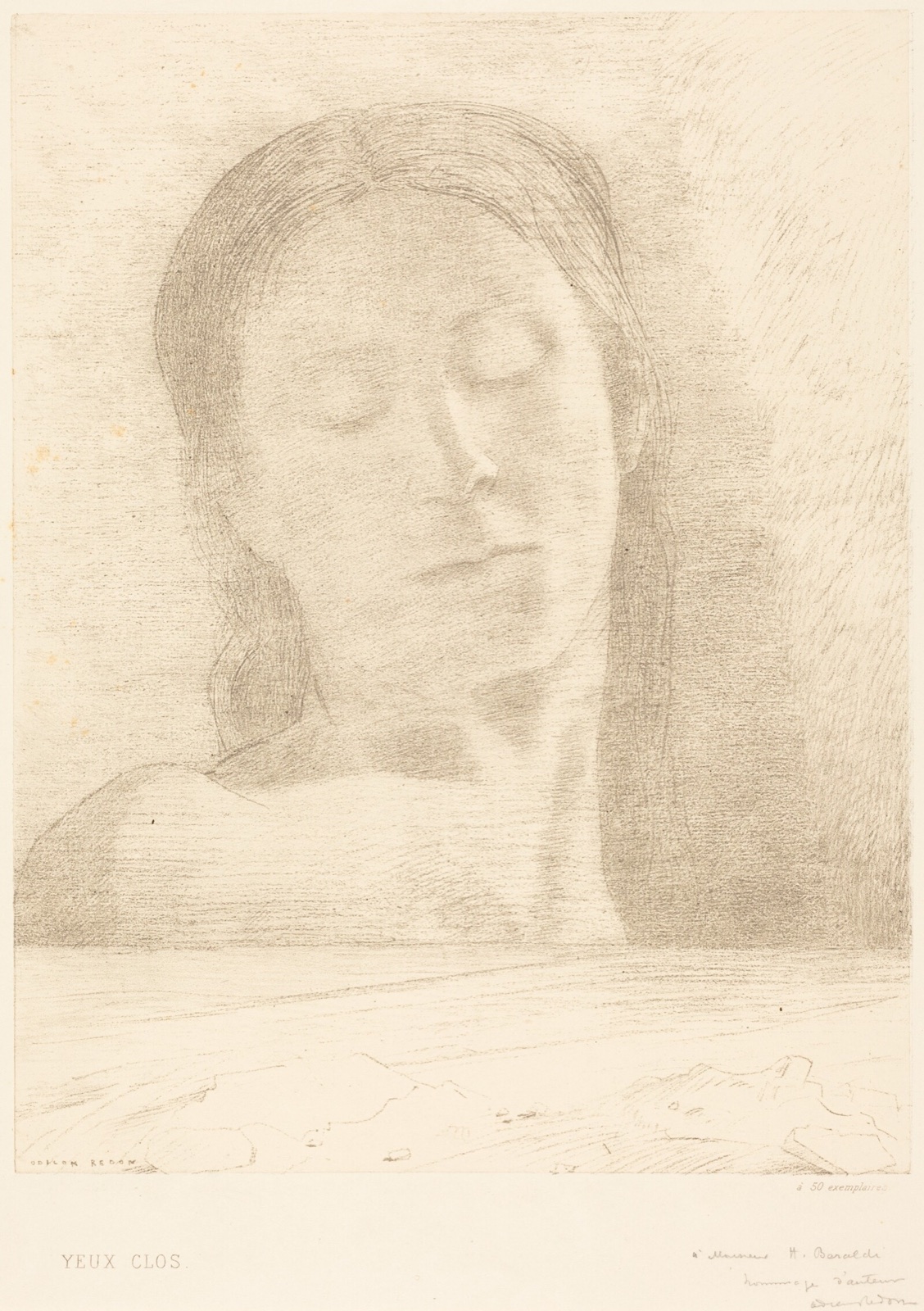
Odilon Redon. National Gallery of Art, Rosenwald Collection, 1951.10.473.
Lithograph detail, cropped and repeated in the Ambien cover. Conceptual artwork, not a patient photograph.
Collection record · Public domain; NGA Open Access.
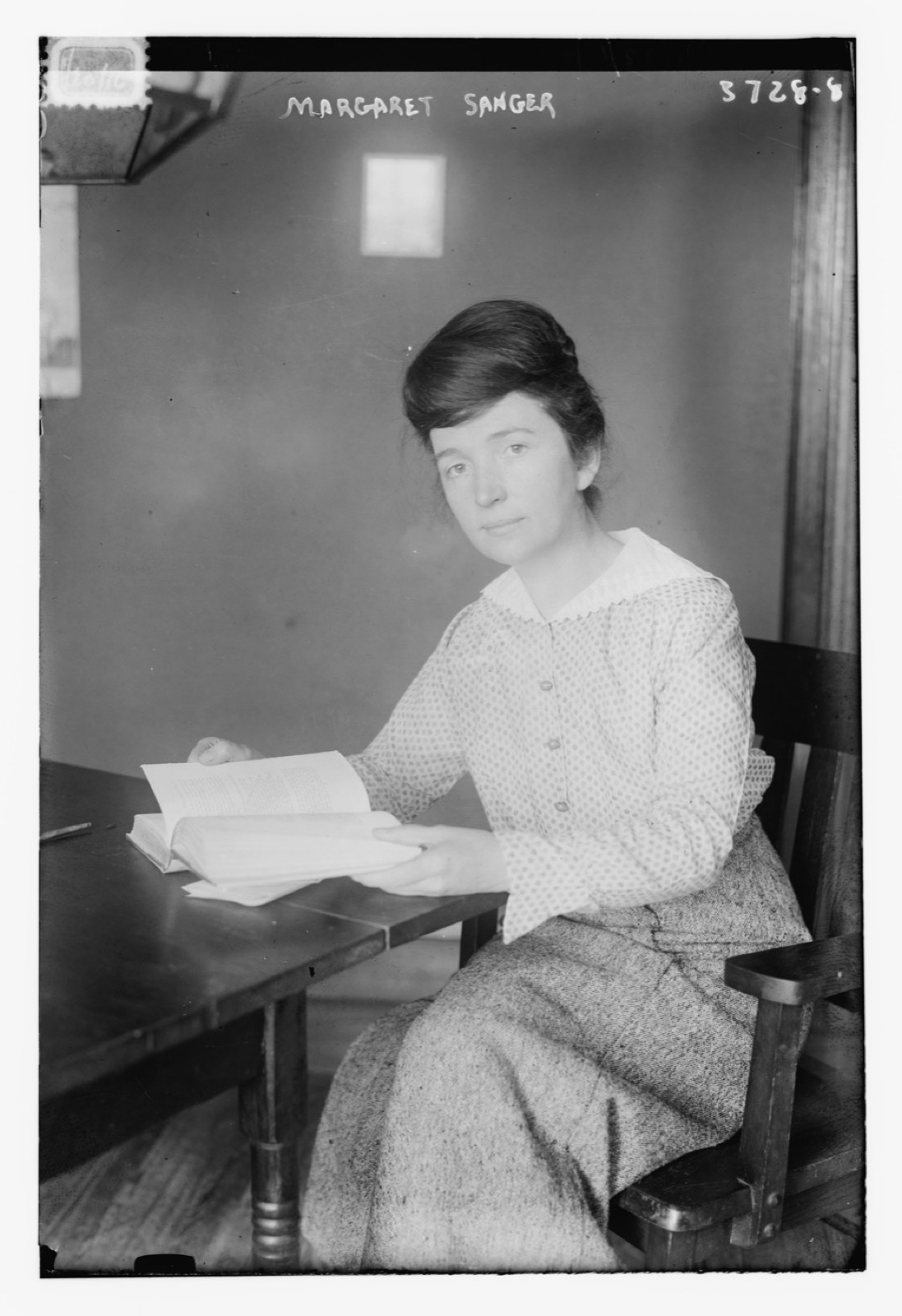
Bain News Service / Library of Congress, LC-DIG-ggbain-20859.
Portrait used in the history of the birth control pill collage.
Collection record · Public domain historical photograph; collection states no known restrictions on publication.
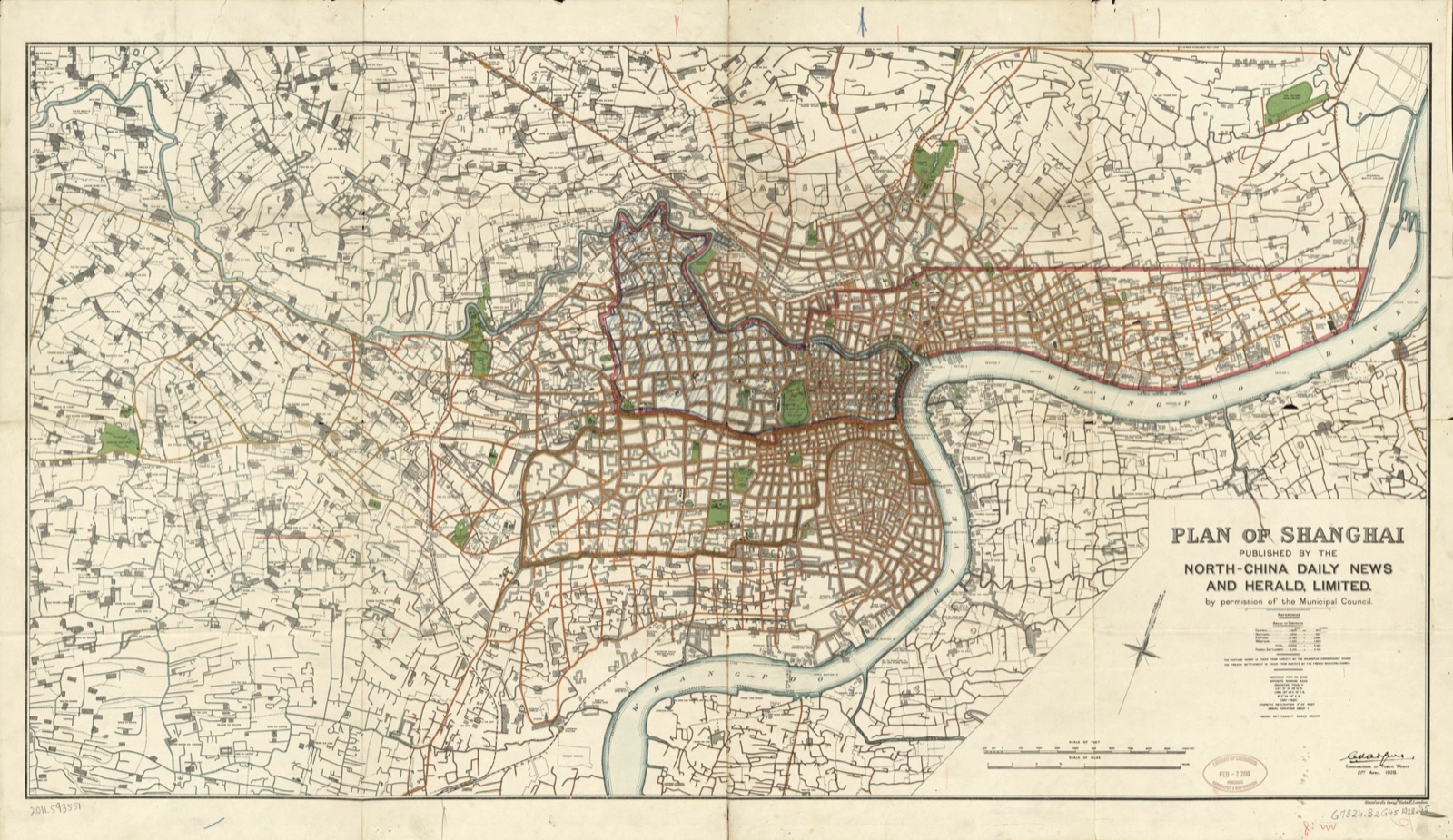
Shanghai Municipal Council; Edward Stanford Ltd. Library of Congress, 2011593551.
Historical map fragment used as conceptual editorial art, not a map of present-day biotechnology facilities.
Collection record · Public domain; faithful reproduction of a public-domain map.
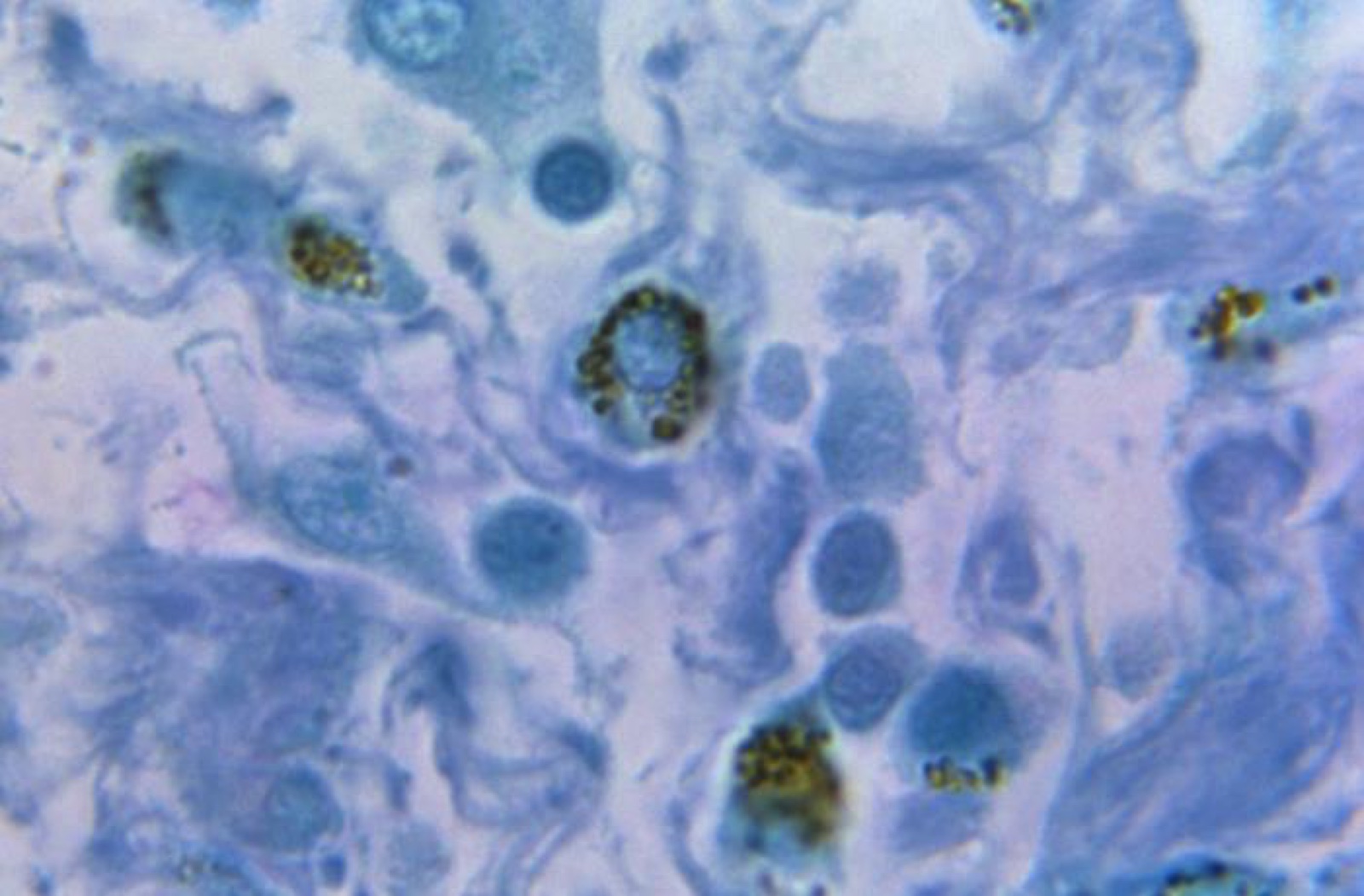
CDC / Anne Roof Yobs, MD. Public Health Image Library 27093.
Historical skin biopsy showing clonal T cells. Used illustratively in the RNA collage; not an image or result from the COMPASS study.
Collection record · Public domain; CDC explicitly states no copyright restrictions.
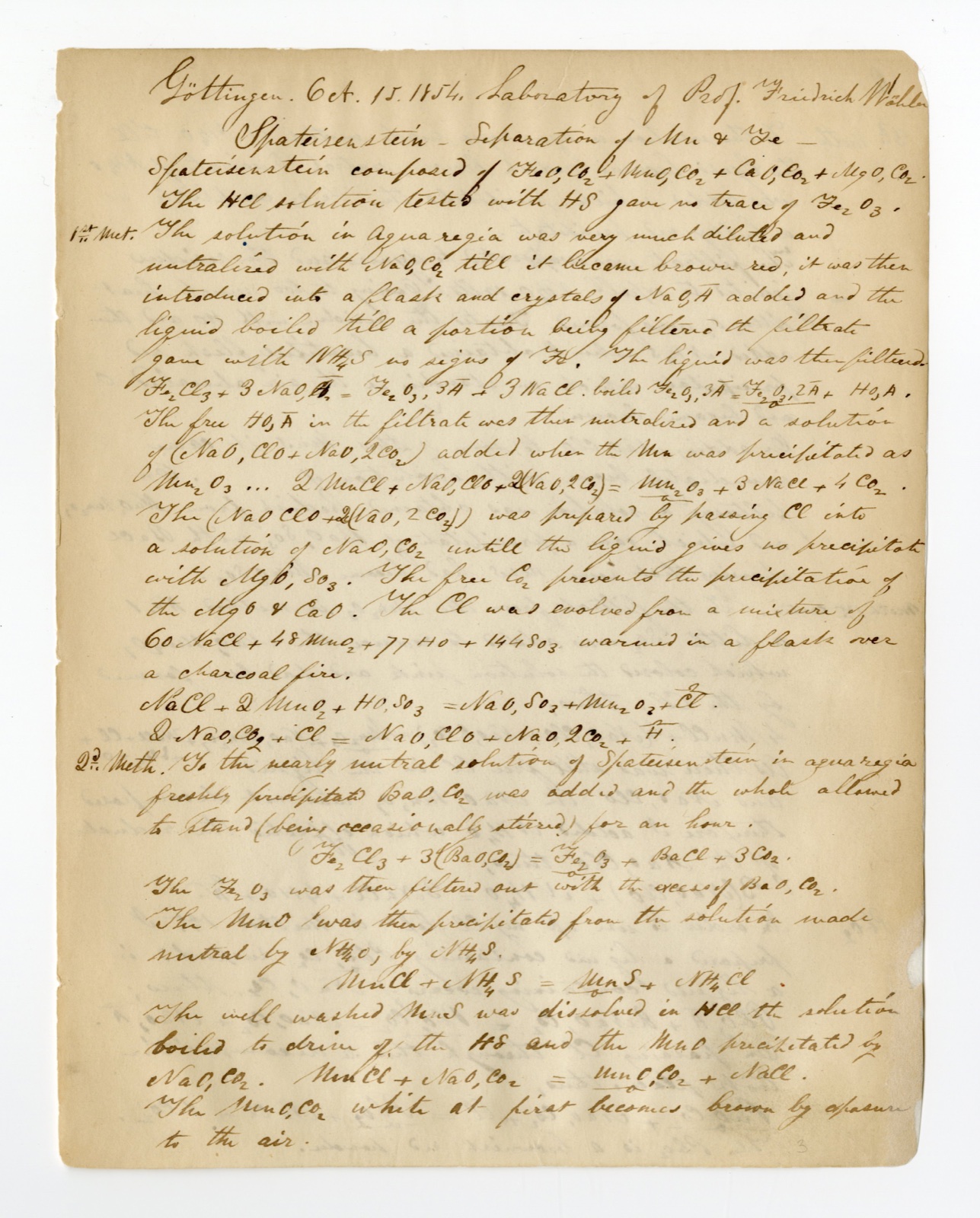
Charles Frederick Chandler. Courtesy of Science History Institute. Public domain.
Cropped and layered as conceptual collage material. The archival material is illustrative, not evidence from the featured research.
Collection record · Public Domain Mark 1.0
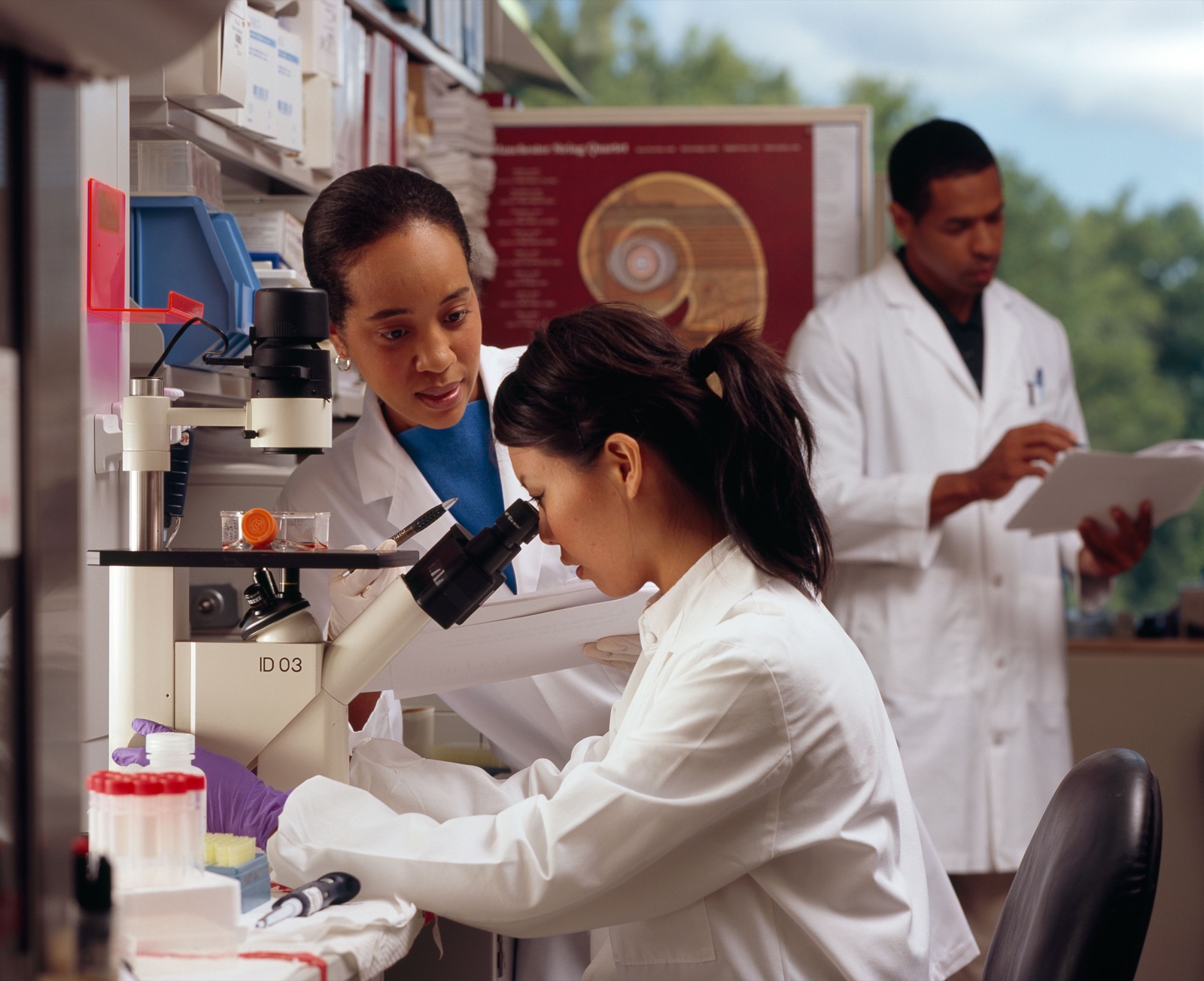
Rhoda Baer / National Cancer Institute. Public domain.
Cropped and layered as conceptual collage material. The archival material is illustrative, not evidence from the featured research.
Collection record · Public domain — author release and NIH/NCI; source states reuse restrictions none
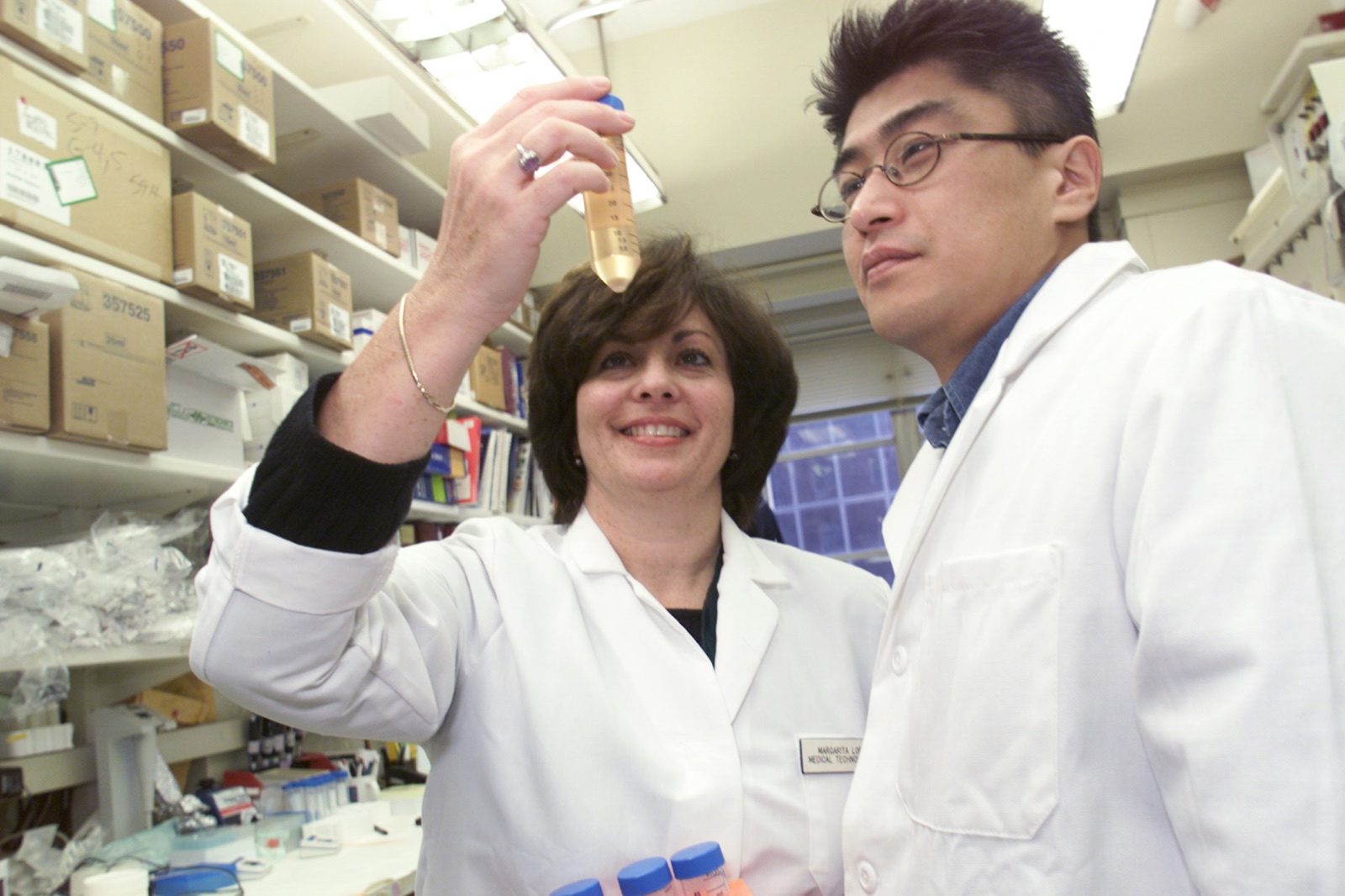
Bill Branson / National Cancer Institute. Public domain.
Cropped and layered as conceptual collage material. The hand and vial are from an NCI laboratory in Maryland; they do not document research in China.
Collection record · Public domain — NIH/NCI work; reuse restrictions none
David S. Goodsell / RCSB PDB · CC BY 4.0
Idealized illustration of an mRNA vaccine, not a depiction of the mNEXSPIKE formulation. Displayed with a responsive crop; colours unchanged.
Sikkema et al. / Nature Medicine (2023) · CC BY 4.0
Figure 3d, middle panel. The page isolates the epithelial-cell panel from the original figure; data and colours are unchanged. UMAP distances and axes do not represent anatomical positions.
RCSB PDB / 9CC5 · Liu et al. (2025)
Image from RCSB PDB of PDB ID 9CC5, biological assembly 1. Structure: Liu et al., “Diffusing protein binders to intrinsically disordered proteins”, Nature 644, 809–817 (2025), doi:10.1038/s41586-025-09248-9. X-ray diffraction, 1.87 Å resolution. Image colours unchanged. Chain A is the designed Amylin-NHO-22 binder (green); chain B is human islet amyloid polypeptide, amylin (orange). Identities checked against the RCSB macromolecule record and the deposited 9CC5 secondary-structure and disulfide records on 12 October 2026.
An original AI-assisted graphite drawing made for The New Alchemist with the built-in image generation tool in October 2026, converted into 4,340 traced pencil paths. Those paths progressively reveal their matching graphite linework and shading, followed by the labels. The animation describes making a drawing, not brain activity.
The external left lateral arrangement was referenced to Gray’s Anatomy, plate 726 (public domain) and NIMH’s brain overview. This is a simplified editorial study, not a specialist-reviewed anatomical atlas. Labels identify approximate visible regions.
The brain drawing, microscope and laboratory-glassware engravings, and watercolour of researchers at the bench were created for The New Alchemist using AI-assisted image generation in October 2026. They are editorial artwork, not clinical diagrams or photographs of an experiment.
The brain is presented in left lateral view. Its visible landmarks were compared with Gray’s Anatomy, plate 726 and NIMH’s brain overview. This is a visual reference check, not a specialist anatomical review. Labels identify the approximate visible regions in the illustration. The drawing-table scene is retained in the asset archive; the homepage uses the separate animated graphite study. Decorative colour fields do not identify anatomical regions.
The book’s glassware and laboratory scene are original illustrative compositions. They do not depict a named scientist, a specific experiment or a historical event.
Amgen, Thousand Oaks, 2016 · Coolcaesar · CC BY-SA 3.0
Photographed by Coolcaesar on 4 July 2016. Responsive crop and rust-on-cream duotone by The New Alchemist; this adapted photograph is shared under CC BY-SA 3.0. The image shows a headquarters building, not the company’s original laboratory.
Iletin, c. 1930; Humulin N, c. 1989 · Kevin Sommer Giron / NMHM · Public domain
National Museum of Health and Medicine collection, photographed by Kevin Sommer Giron on 27 October 2025. DVIDS identifies the photograph as public domain. Responsive crop and rust-on-cream duotone; original package colours are not reproduced. The appearance of U.S. Department of War (DoW) visual information does not imply or constitute DoW endorsement.
Original AI-assisted editorial artwork created for The New Alchemist in October 2026. This 1254 × 1254 website image is a cover concept; a higher-resolution master is required for podcast-directory submission.
The birth-control and psychedelics cover images are reused from their original New Alchemist essays: The Creation of the Birth Control Pill and The Flesh of the Gods. This layout does not alter the source photographs.


